Currently Empty: ₹0.00

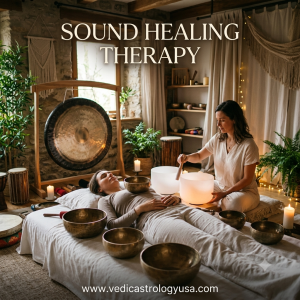
Sound Healing Therapy: Restore Balance, Reduce Stress & Awaken Inner Peace Naturally
In today’s fast-paced world, stress, anxiety, sleep disorders, and emotional exhaustion have become common challenges. While modern medicine offers effective treatments for many conditions, millions of people are also exploring complementary wellness practices that promote relaxation and emotional balance. One such ancient yet increasingly popular practice is Sound Healing Therapy.
Sound Healing Therapy combines soothing vibrations, frequencies, and sacred instruments to encourage deep relaxation and support overall well-being. Used in meditation, spiritual practices, and holistic wellness programs, sound healing creates an immersive experience that many people find calming and rejuvenating.
Whether you are beginning your spiritual journey or looking for a natural way to support mindfulness and relaxation, Sound Healing Therapy offers a peaceful path toward inner harmony.
What is Sound Healing Therapy?
Sound Healing Therapy is a holistic wellness practice that uses specific sound frequencies and vibrations to promote relaxation, mental clarity, and emotional balance. Ancient civilizations including those in India, Tibet, Egypt, and Greece have used sound as part of spiritual and healing traditions for thousands of years.
Today, sound healing sessions often include:
- Tibetan Singing Bowls
- Crystal Singing Bowls
- Gongs
- Chimes
- Tuning Forks
- Sacred Mantras
- Meditation Music
- Vocal Toning
- Nature Sounds
These instruments create gentle vibrations that many practitioners believe help calm the mind and encourage deep meditation.
The Ancient History of Sound Healing
The use of sound for spiritual and wellness purposes dates back over 5,000 years.
India
Ancient Vedic traditions introduced mantra chanting, including the sacred syllable “Om,” believed to create positive vibrations that support meditation and spiritual awareness.
Tibet
Tibetan monks developed singing bowl meditation practices that remain popular worldwide for promoting deep relaxation.
Egypt
Priests reportedly used vocal resonance and sacred sounds during spiritual ceremonies.
Greece
Philosopher Pythagoras explored the relationship between music, mathematics, and harmony, inspiring the concept of “music as medicine.”
Modern sound therapy blends these ancient traditions with contemporary wellness practices.
How Does Sound Healing Therapy Work?
During a sound healing session, various instruments produce vibrations that fill the surrounding environment.
Participants generally:
- Sit comfortably or lie down.
- Close their eyes.
- Practice slow breathing.
- Focus on the sounds and vibrations.
- Allow the body and mind to relax.
Many people describe the experience as deeply calming and meditative.
While research into sound therapy continues, many participants report reduced stress, improved mood, and enhanced relaxation after sessions.
Benefits of Sound Healing Therapy
1. Promotes Deep Relaxation
Gentle sound frequencies may help quiet mental chatter and encourage a relaxed state.
Many individuals use sound healing after busy workdays to unwind naturally.
2. Supports Stress Management
Stress affects both physical and emotional well-being.
Sound meditation may help create a peaceful environment where the body can relax and recover from daily pressures.
3. Improves Meditation Practice
Many beginners find meditation difficult because of constant thoughts.
Sound vibrations provide a focus point, making meditation easier and more enjoyable.
4. Encourages Better Sleep
People experiencing occasional sleep disturbances often include relaxing sound sessions in their bedtime routines.
The calming atmosphere may help prepare the mind for restful sleep.
5. Supports Emotional Balance
Sound therapy creates a safe space for emotional relaxation.
Many participants report feeling lighter, calmer, and emotionally refreshed after sessions.
6. Enhances Mindfulness
Mindfulness means being fully present.
Sound healing naturally encourages awareness of breathing, thoughts, and inner stillness.
7. Creates Inner Peace
One of the most appreciated benefits of sound healing is the profound feeling of calm that often remains long after the session ends.
Instruments Used in Sound Healing Therapy
Crystal Singing Bowls
Made from pure quartz crystal, these bowls produce clear, soothing tones often used during meditation.
Tibetan Singing Bowls
Traditional handcrafted bowls create rich harmonic sounds and gentle vibrations.
Gong
The gong produces powerful sound waves that many practitioners use during deep meditation sessions.
Chimes
Soft chimes create peaceful transitions and enhance relaxation.
Tuning Forks
Specific tuning forks generate consistent frequencies often incorporated into wellness sessions.
Mantras
Ancient sacred sounds and chants remain an important part of Vedic spiritual practices.
Who Can Benefit from Sound Healing Therapy?
Sound Healing Therapy is suitable for individuals seeking relaxation and mindfulness, including:
- Working professionals
- Students
- Meditation practitioners
- Yoga enthusiasts
- Spiritual seekers
- Seniors
- Wellness enthusiasts
- Individuals looking for stress relief
- People seeking emotional balance
- Anyone wanting a peaceful self-care experience
What Happens During a Sound Healing Session?
A typical session includes:
Welcome & Relaxation
Participants settle into a quiet environment.
Guided Breathing
Slow breathing helps prepare the body and mind.
Sound Journey
The practitioner plays different instruments in a calming sequence.
Silent Reflection
Moments of silence allow participants to absorb the experience.
Closing Meditation
The session concludes with gratitude and gentle awareness.
Most sessions last between 30 and 90 minutes.
Sound Healing and Meditation
Combining meditation with sound therapy can deepen relaxation.
Benefits may include:
- Better concentration
- Reduced mental distractions
- Increased mindfulness
- Enhanced spiritual awareness
- Greater emotional calm
Many meditation practitioners regularly include singing bowls or mantra chanting in their daily routines.
Sound Healing and Chakra Meditation
In several spiritual traditions, sound frequencies are associated with the body’s energy centers, often called chakras.
Practitioners may use specific tones or bowls during meditation to encourage a sense of balance and focus. While these concepts are rooted in traditional beliefs rather than established medical science, many people find them meaningful as part of their personal spiritual practice.
Tips for Your First Sound Healing Experience
If you’re attending your first session:
- Wear comfortable clothing.
- Stay hydrated.
- Keep an open mind.
- Silence your phone.
- Focus on your breathing.
- Simply observe the sounds without expectations.
- Rest quietly after the session.
Why More People Are Choosing Sound Healing Therapy
As interest in natural wellness continues to grow, Sound Healing Therapy has become popular because it is:
- Non-invasive
- Gentle
- Relaxing
- Meditation-friendly
- Suitable for most age groups
- Easy to incorporate into wellness routines
- Compatible with yoga and mindfulness practices
Many people enjoy it as part of their broader self-care and spiritual wellness journey.
Integrating Sound Healing Into Daily Life
You don’t always need a formal session to enjoy the calming effects of sound. You can incorporate simple practices into your routine, such as:
- Listening to meditation soundtracks during quiet time
- Chanting mantras during morning meditation
- Using a singing bowl before yoga
- Practicing mindful breathing with calming instrumental music
- Creating a peaceful evening relaxation ritual
Consistency often helps build a stronger mindfulness habit.
Frequently Asked Questions (FAQs)
Is Sound Healing Therapy safe?
For most people, sound healing is considered a gentle relaxation practice. If you have a medical condition, hearing sensitivity, or concerns about your health, consult a qualified healthcare professional before participating.
How long does a session last?
Sessions typically range from 30 to 90 minutes, depending on the practitioner and format.
Do I need meditation experience?
No. Beginners are welcome, and many people experience sound healing without prior meditation practice.
How often should I attend?
Some people enjoy weekly sessions, while others participate monthly or whenever they want to support relaxation and mindfulness.
Can sound healing replace medical treatment?
No. Sound Healing Therapy is a complementary wellness practice and should not replace professional medical advice, diagnosis, or treatment.
Experience Inner Harmony Through Sound Healing Therapy
Sound Healing Therapy offers a peaceful opportunity to pause, breathe, and reconnect with yourself. Through calming vibrations, sacred sounds, and mindful relaxation, it can become a meaningful part of a holistic wellness routine. Whether your goal is to reduce everyday stress, deepen meditation, or simply enjoy moments of tranquility, sound healing provides a gentle path toward greater balance and inner peace.
Contact Information
Vedic Astrology USA
Address: USA
Email: info@vedicastrologyusa.com
#SoundHealingTherapy #SoundHealing #Meditation #HolisticWellness #StressRelief #HealingVibrations #CrystalSingingBowls #TibetanSingingBowls #Mindfulness #EnergyHealing #WellnessJourney #SpiritualHealing #RelaxationTherapy #VedicAstrologyUSA #MeditationHealing