Currently Empty: ₹0.00

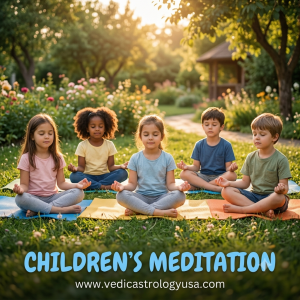
Children’s Meditation: Nurturing Calm Minds, Better Focus, and Emotional Well-Being
In today’s fast-paced digital world, children face increasing levels of stress, anxiety, academic pressure, and distractions. While adults often turn to meditation for relaxation and mental clarity, children can benefit just as much from this ancient practice. Children’s meditation is a gentle and enjoyable way to help young minds develop emotional resilience, concentration, self-awareness, and inner peace from an early age.
Unlike traditional meditation practices for adults, children’s meditation is interactive, imaginative, and engaging. It often includes storytelling, breathing exercises, visualization, music, and mindful activities that make relaxation enjoyable while teaching valuable life skills.
What Is Children’s Meditation?
Children’s meditation is a practice designed specifically for young minds to improve emotional balance, focus, and mindfulness. Rather than asking children to sit silently for long periods, meditation sessions are adapted according to their age, attention span, and developmental stage.
Activities may include:
- Guided breathing exercises
- Nature visualization
- Positive affirmations
- Gratitude practices
- Mindful listening
- Body relaxation techniques
- Simple yoga with meditation
The primary goal is not perfection but helping children become aware of their thoughts and emotions without fear or judgment.
Why Meditation Is Important for Children
Children experience many emotional challenges that adults often overlook. School competition, social interactions, family changes, excessive screen time, and academic expectations can affect their mental well-being.
Regular meditation helps children:
- Improve concentration during studies
- Build emotional intelligence
- Reduce anxiety and fear
- Sleep more peacefully
- Develop patience
- Improve memory retention
- Increase creativity
- Build self-confidence
- Strengthen relationships with family and friends
These lifelong skills become valuable as children grow into responsible and emotionally balanced adults.
Benefits of Children’s Meditation
Improves Focus and Learning
Meditation trains the brain to stay present. Children who meditate regularly often find it easier to pay attention in class, complete homework, and absorb new information.
Reduces Stress and Anxiety
Simple breathing exercises calm the nervous system and reduce emotional overwhelm. Meditation provides children with healthy coping mechanisms during difficult situations.
Encourages Better Sleep
Guided relaxation before bedtime helps children fall asleep faster and enjoy deeper, more restorative sleep.
Develops Emotional Awareness
Meditation teaches children to recognize emotions like anger, sadness, excitement, or frustration without reacting impulsively.
Enhances Creativity
Visualization exercises stimulate imagination, allowing children to think creatively and solve problems more effectively.
Builds Self-Confidence
Positive affirmations encourage children to believe in themselves and develop a healthy self-image.
Simple Meditation Techniques for Children
Balloon Breathing
Ask the child to imagine inflating a colorful balloon inside their stomach while inhaling deeply and slowly releasing the air while exhaling.
Rainbow Visualization
Guide children to imagine walking through a peaceful rainbow filled with colors representing happiness, courage, kindness, wisdom, and confidence.
Listening Meditation
Children close their eyes and identify different sounds around them, helping improve awareness and concentration.
Gratitude Meditation
Encourage children to think about three things they are thankful for every day.
Animal Breathing
Pretend to breathe like different animals such as turtles, lions, rabbits, or elephants, making meditation fun and interactive.
Best Age to Start Meditation
Children can begin simple mindfulness practices as early as three or four years old. Sessions should be short and enjoyable.
Recommended duration:
- Ages 3–5: 2–5 minutes
- Ages 6–9: 5–10 minutes
- Ages 10–13: 10–15 minutes
- Teenagers: 15–20 minutes
Consistency matters more than duration.
How Parents Can Encourage Meditation
Parents play a vital role in creating positive meditation habits.
Helpful tips include:
- Practice together every day.
- Keep sessions playful and relaxed.
- Avoid forcing meditation.
- Use calming music if helpful.
- Celebrate consistency instead of perfection.
- Create a peaceful meditation corner at home.
Children often imitate adults, so family meditation can become a meaningful daily ritual.
Meditation and Spiritual Growth
Meditation is not limited to relaxation. It also introduces children to important values such as compassion, gratitude, patience, kindness, honesty, and self-awareness.
Many families combine meditation with Vedic wisdom to help children understand inner peace while remaining connected to positive values and spiritual development.
Can Astrology Support Children’s Emotional Growth?
Every child has a unique personality influenced by their birth chart according to Vedic Astrology. Some children naturally display high energy, emotional sensitivity, curiosity, or strong determination.
A professional Vedic astrologer can help parents understand:
- Learning patterns
- Emotional strengths
- Personality traits
- Confidence issues
- Suitable educational guidance
- Spiritual development
- Favorable meditation practices based on planetary influences
Combining meditation with personalized Vedic guidance creates a holistic approach to a child’s emotional and spiritual well-being.
Final Thoughts
Children’s meditation is one of the greatest gifts parents can introduce early in life. Even a few minutes of daily mindfulness can help children become calmer, happier, more focused, and emotionally resilient. As they grow, these habits create a strong foundation for success in education, relationships, and personal development.
By combining meditation with positive parenting and Vedic wisdom, children can develop not only academically but also emotionally and spiritually, preparing them for a balanced and fulfilling future.
Contact Information
Address: USA.
Email: info@vedicastrologyusa.com
#ChildrensMeditation #MeditationForKids #MindfulnessForChildren #KidsWellness #EmotionalHealth #PositiveParenting #MindfulKids #HealthyMind #VedicAstrology #StressFreeKids #ChildDevelopment #ParentingTips #MeditationBenefits #MentalWellness #VedicAstrologyUSA